

Bookstores and libraries can be more than places to buy or borrow books—they are windows into a city’s history, identity, and everyday life. In Riga, these spaces tell the story of Latvia’s national awakening, Soviet occupation, independence, and vibrant contemporary culture. Whether tucked away in hidden courtyards, housed in historic buildings, or rising above the city as striking works of modern architecture, each offers a different perspective on the people who read, gather, create, and preserve Latvia’s cultural heritage.
Below, SRAS students introduce you to some of their favorite examples. Along the way, they offer a few tips for those looking to make their own visits while abroad in Riga!
ExLibris
Dzirnavu Iela, 51 and Matīsa iela 8
Review by Ely Mathews
Ex Libris offers a cozy refuge for the avid reader. This Baltics-based used bookstore chain operates two locations in Riga, both in cozy courtyard locations. It offers an exchange program, allowing customers to trade in used books for store credit. As such, their collection constantly shifts and, if you brought in some literature to read on the plane, this a great place to swap it out for the return trip.
Prices vary significantly based on the condition of the book, rarity of the edition, and popularity of the book. The friendly shopkeeper told me that price is essentially assessed on “vibes.”
Although first and foremost a bookstore, Ex Libris offers much more. A bar at each location serves coffee, tea, cocktails, wines, and other cold drinks for roughly 5 Euros. The bookstores also play host to book clubs and other community-focused events. Patrons are often warmly greeted by the bartender as if they were old friends. Additionally, the strong WiFi and extensive seating makes this a great place to sit down and get some work done. While generally quieter in the afternoons, they can get much more lively and loud in the evenings as friends gather here after work. Ex Libris also markets itself specifically as LGBT-friendly.
The first, at Dzirnavu Iela, 51, which was formerly known as Robert’s Books. Robert’s, first founded in 2008, was once the only English-language bookstore in Riga and became something of an institution. When Ex Libris acquired it, they kept the format and even the front signage on the gates you must walk through to access the discreet alley that leads to the hidden shop. Many in the community still refer to it as “Robert’s.”
This location features a wide but shallow selection of genres, ranging from history, business, classics, to romance. There is also a shelf of cookbooks and photobooks. Most of the inventory is in English, with a separate shelf with some Russian and other European languages represented. Most books were quite cheap, though, with prices ranging from 3-20 Euros.


Opened a little more than a year ago, the Ex Libris at Matisa Iela 8 is located in a factory-complex-turned-art-district and mixes charm with quirky edginess.
This location hosts a larger selection of books than the original location. It has books in a wide variety of genres including history, business, classics, LGBT, and most comically: “horny vampire.” Unlike the other location, this shop also has a large shelf of books priced between 1-3 Euros. Generally, books cost anywhere from 1-10 Euros. I bought a copy of The Bourne Identity for just 1 Euro! Almost all books are in English, although a small section hosts literature in Latvian and other European languages.
Ex Libris has been one of my favorite discoveries during my time in Riga. As a reader, coffee drinker, and lover of third spaces, Ex Libris has been a joy to explore and return to.


Valters un Rapa
Aspazijas bulvāris, 24
Review by Ely Mathews
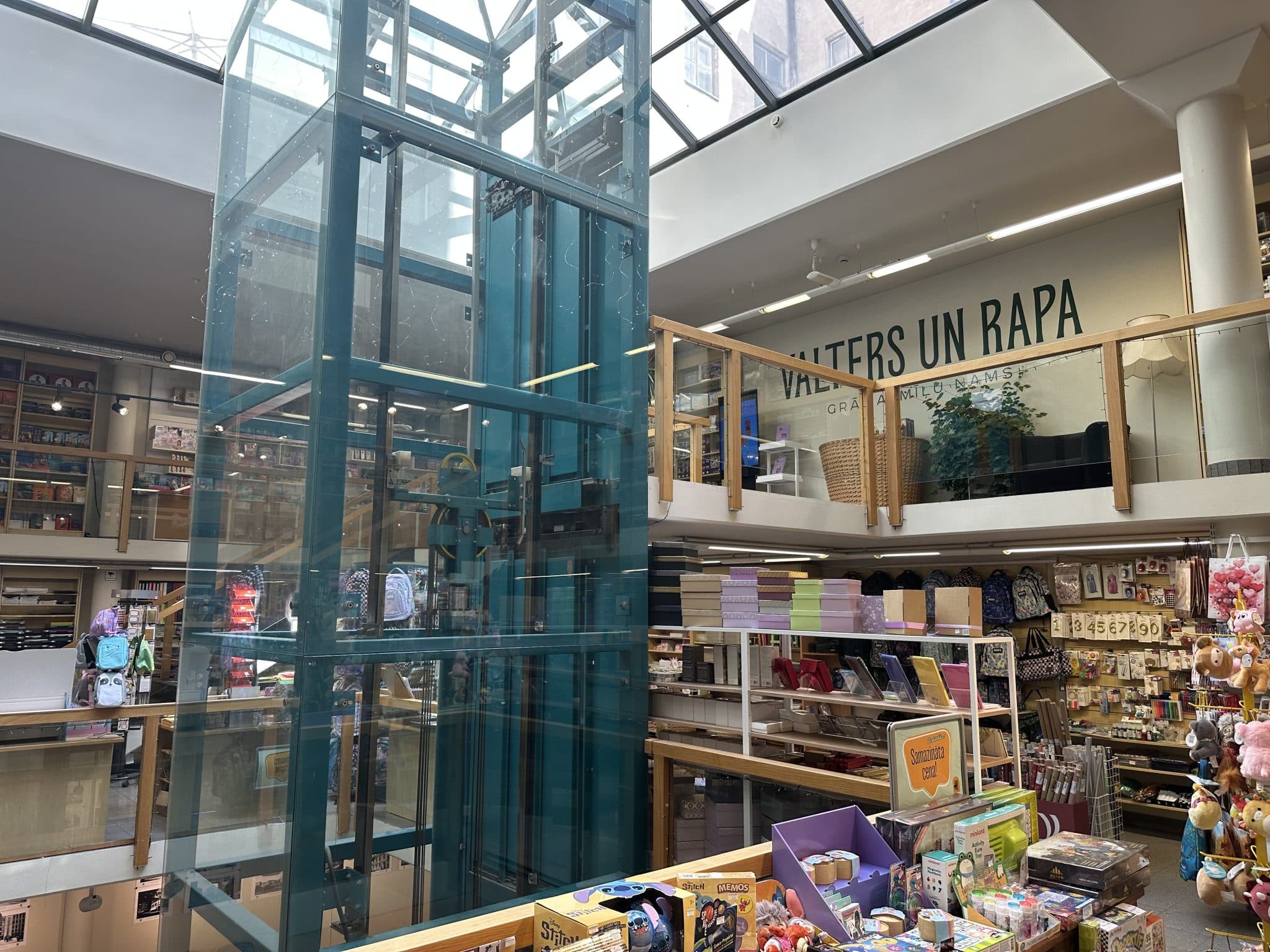
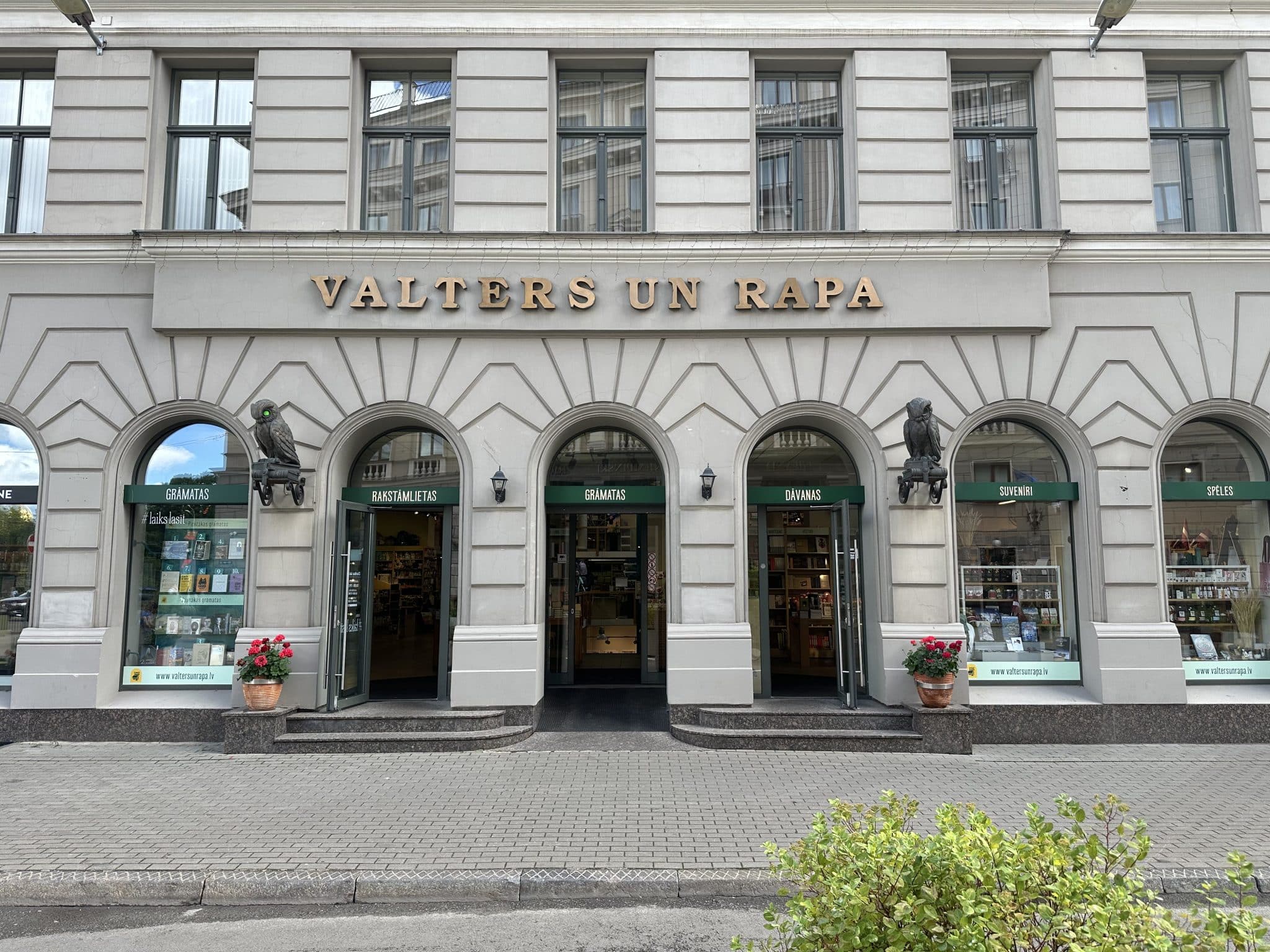
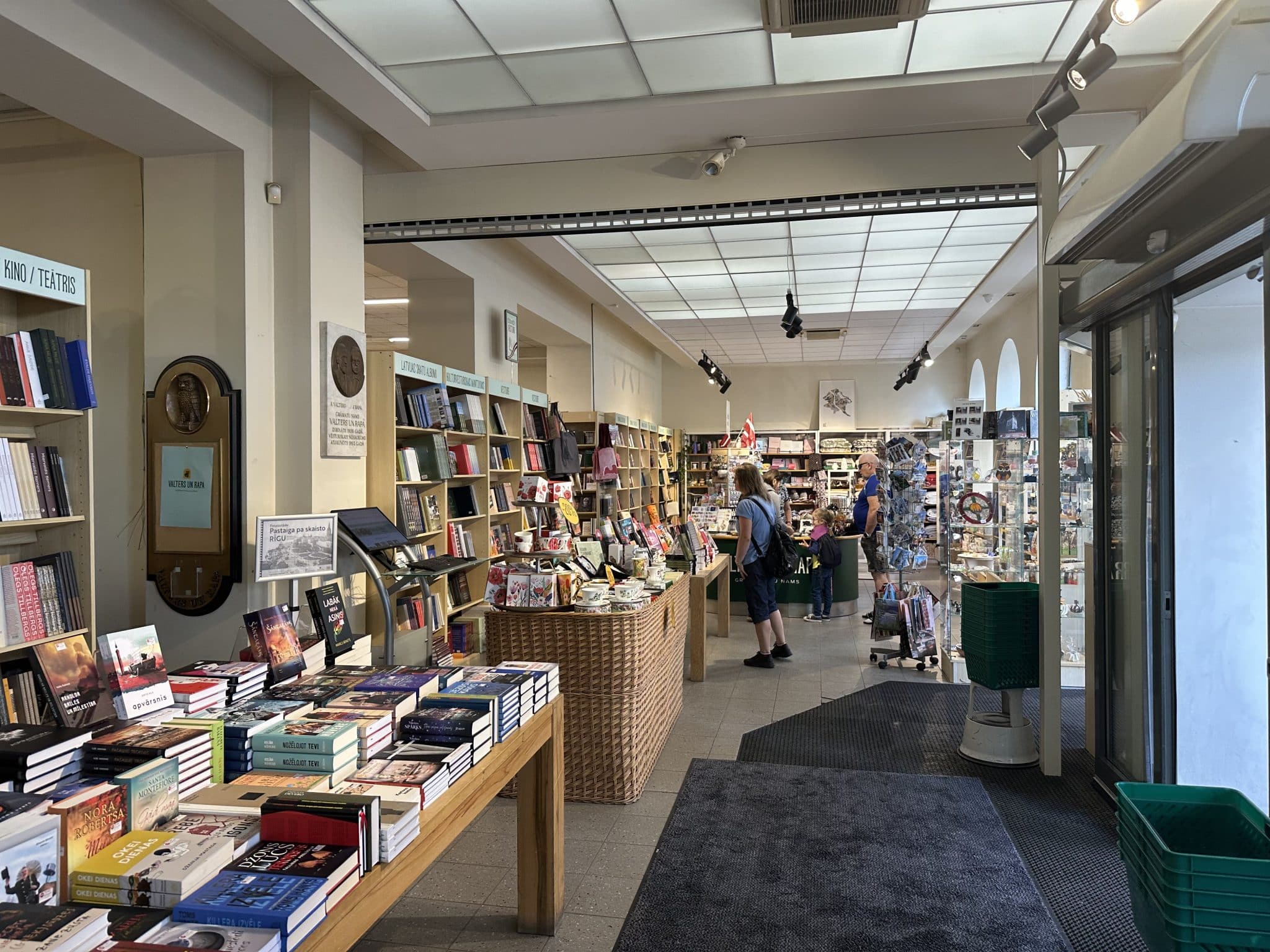
Valters un Rapa was first founded in 1912 as a bookseller and publisher seeking to serve the needs of Latvia’s rising National Awakening intellectuals. Shut down by the communists, both the bookshop and private publisher were proudly reestablished in 1996 in its original headquarters, now known as the “Booklovers Building.” This large, beautiful, multipurpose structure is located on Aspazijas Bulvāris in the center of Riga, within sight of the National Opera.
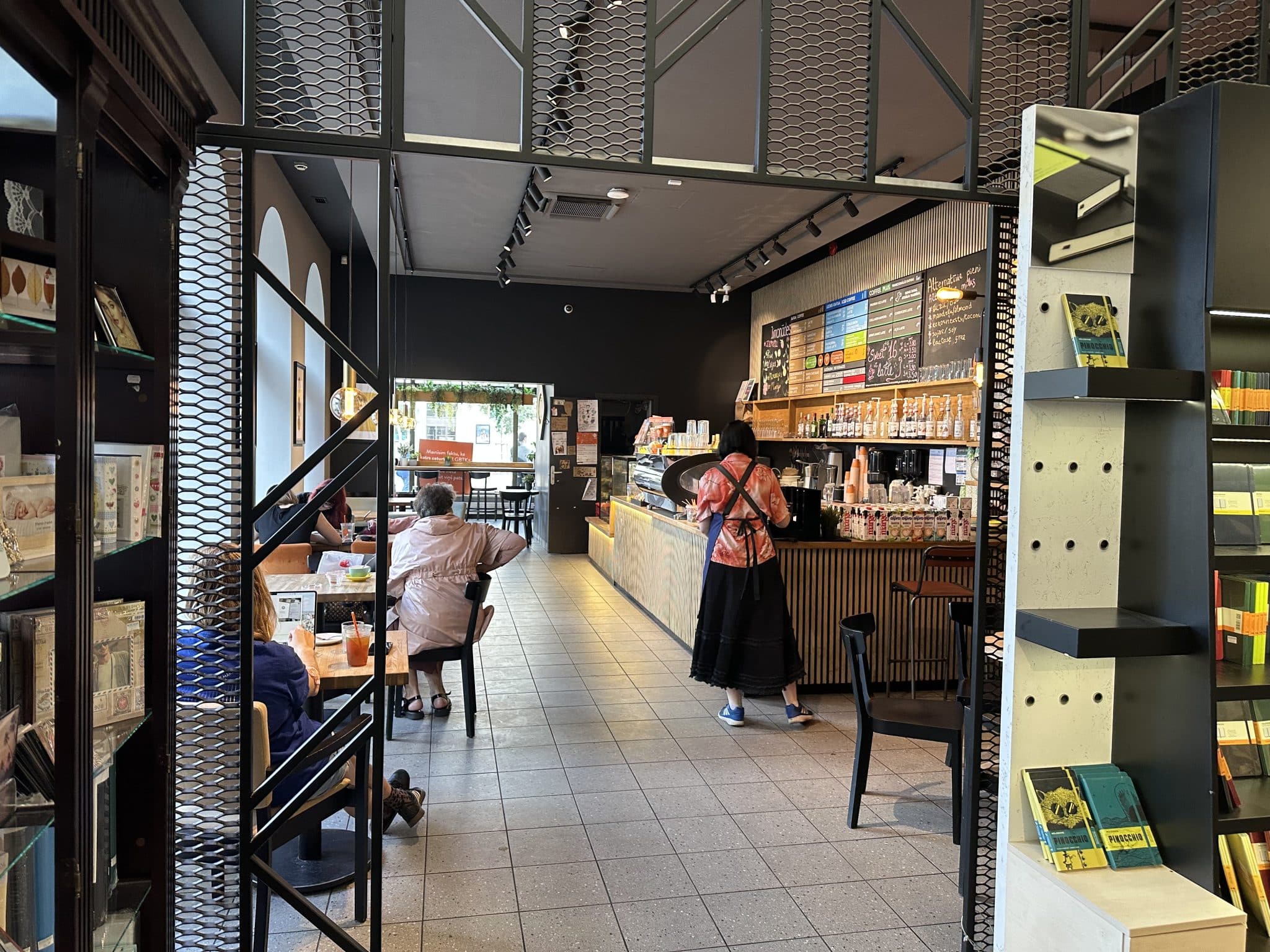
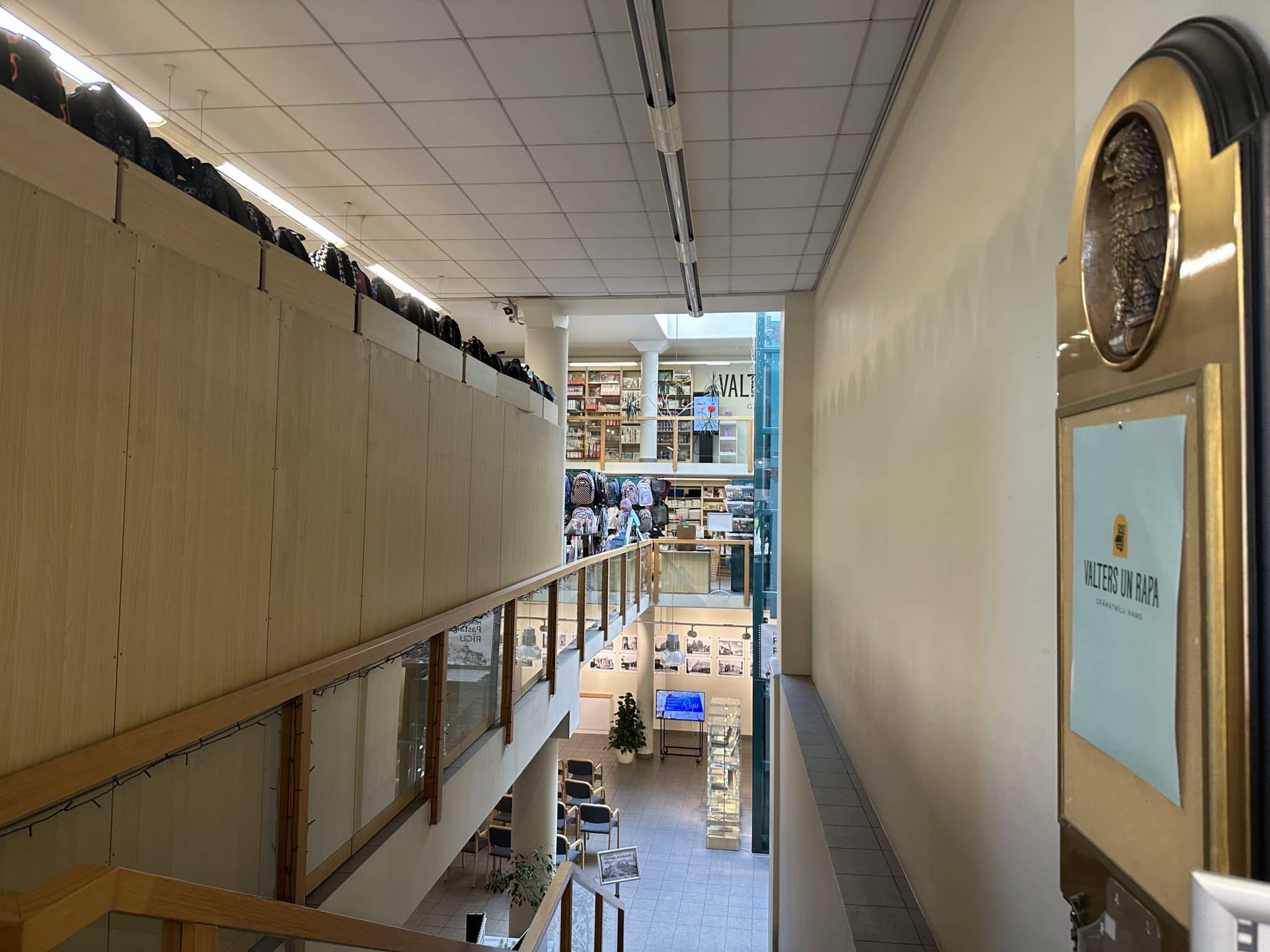
The Barnes-and-Nobles-type store stretches across three levels, with an adjacent coffee shop (a well-known local chain appropriately named “Caffeine”), and a souvenir shop in the front. The shop sells coffee for roughly 5 Euros, and offers extensive seating and Wifi.
Most of the mid-sized collection of books are along the right side of the first level of the store. Although the website indicates that it hosts foreign language literature, including in Russian and English, when I was here, the selection was limited to Latvian. Most cost 10-20 Euros and cover mostly politics, Latvian fiction, international fiction in translation, and a large section dedicated to children.
The upper balcony has some books, but mainly hosts a variety of boardgames and cardgames. Some have been adapted into Latvian and some are in the original English. They had Catan, Codenames, and Exploding Kittens, as well as some more niche games. If you are trying to learn a little Latvian, coming here to browse the kids books or grab a familiar game to play in your new language might be a fun idea.
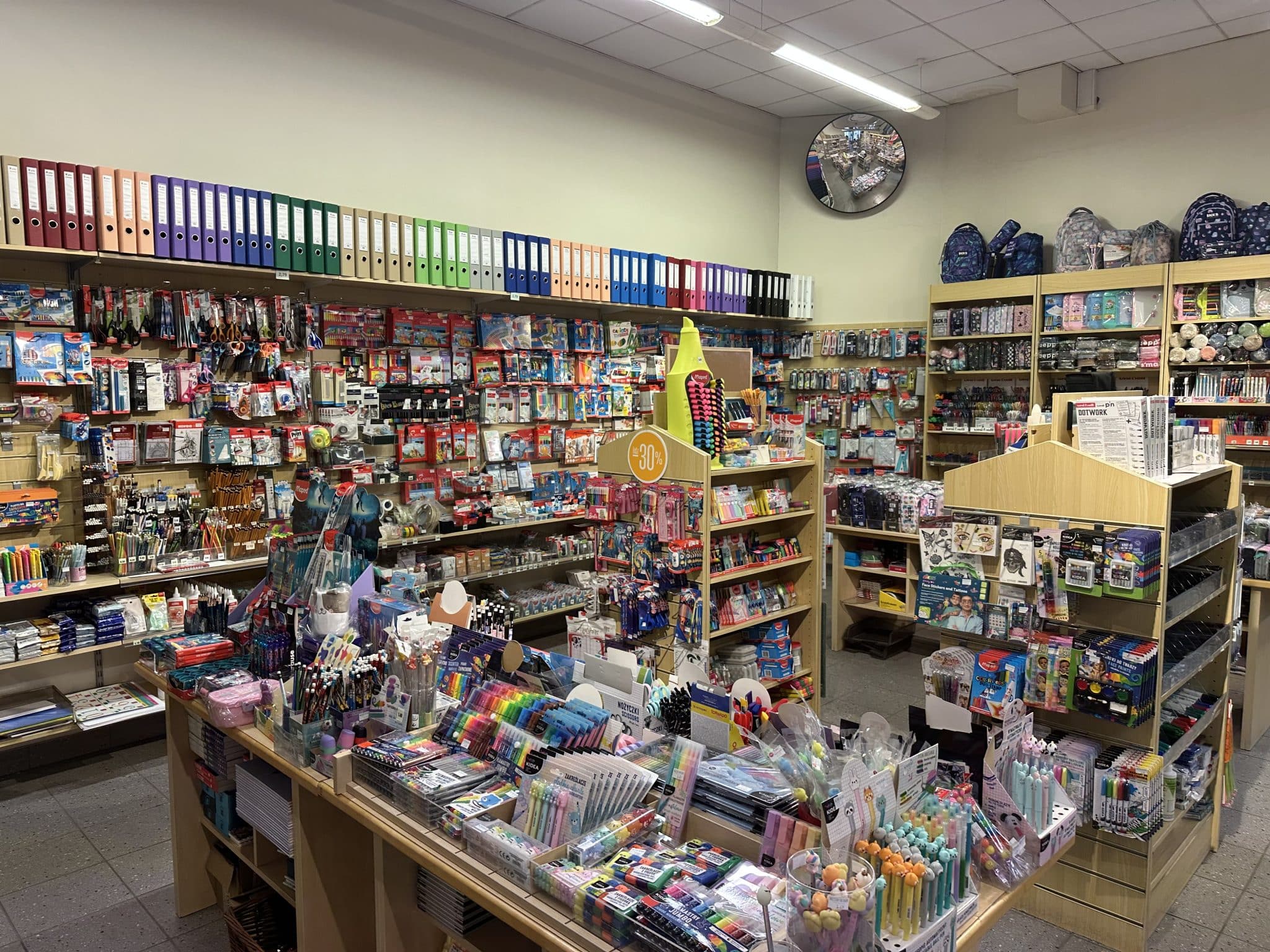
They also have a wide selection of art and craft supplies, if you are looking to pursue some hobbies abroad. They also have an assortment of stationary, including quality pens, notebooks, and even backpacks. A fun souvenir section sells Latvian themed memorabilia, t-shirts, blankets, mugs, and other items.
The subterranean level of the store is a multipurpose area that the website advertises for rent to book readings, seminars, corporate events, or other “creative enterprises.”
This bookstore is an essential stop for anyone looking to restock their stationary, find a new boardgame, or pick up a book in Latvian.
National Library of Latvia
Mūkusalas iela 3
Review by Niya Georgieva
The National Library of Latvia is also known as the “Castle of Light” because its spacious book-filled interiors are filled with natural light from its modern glass architecture. It is a striking, comfortable, and welcoming symbol of culture and knowledge conveniently located just across Riga’s Old Town.
The history of the National Library began on 29 August 1919, a year after Latvia gained its independence. Over the years, the library expanded its collection, making it the country’s main center for preserving historical records and cultural heritage. The library’s current building was opened in August 2014, designed by a Latvian-American architect, Gunnar Birkerts. He drew his inspiration from the “Castle of Light” (Gaismas pils) written of by Latvian poet Mikelis Krogzemis early in Latvian National Awakening in 1879. Krogzemis, who wrote under the pseudonym Auseklis, tells the story of a magnificent castle that sinks beneath a lake because of wrongdoing and oppression but is destined to rise again when the Latvian people awaken and reclaim their strength. Birkerts sought to show by his construction that the Latvian people had indeed fully risen again.
On my visit, it was a windy, cloudy Friday afternoon, and I hoped the library would be a wonderful escape from the gloomy weather. Upon entering the building, I was immediately impressed by the openness of the interior and the direct view I had of seven library floors from the ground. Each floor featured a massive wall of books, visible through glass, inviting visitors to come, explore, and learn.
Entry to the library is free for both tourists and locals. Visitors are required to leave their backpacks in lockers. Personal items can be carried into the library in a provided clear, plastic bag. After your drop-off, you head to the reception desk, where you are handed a pass to allow access through the electronic gates to enter the main library.
Beyond the gates, you come to a staircase that takes you to the upper floors, where every level is dedicated to a certain subject with a variety of rooms and exhibitions, ranging from humanities and social sciences on the second floor to sound and music rooms on the fourth floor, and a children’s literature center on the seventh floor.
Most of the library’s staff speaks English, but most of the books and displays are in Latvian. If you have an app that can do translation from images, that can be helpful. If you are looking for books in a language other than Latvian, there is an American Cultural Center, with a selection of fiction and nonfiction in English on the third floor.
The National Library provides comfortable study spaces where visitors can enjoy quiet reading and studying in an environment with natural light streaming through its glass walls. The 11th and 12th floors are particularly striking, with open floor plans and spectacular panoramic views of beautiful Riga including both Old Town and the Daugava River. Additionally, a reasonably-priced comfortable cafe as well as full, elegant restaurant are located on the ground floor if you get hungry.
As a tourist, I not only felt welcomed by the friendly staff that assisted me with directions, but the calm and inviting atmosphere of the building made the experience more enjoyable. Beyond its modern, large structure, the National Library further deepened my appreciation for the country’s unique cultural and architectural history, as well as its commitment to preserving knowledge for future generations. The library is more than a storage place to house books, it is an inviting place to study and think as well as a symbol for Latvia’s heritage and identity.


Credits
Both Ely Mathews and Niya Georgieva, at the time he wrote for they wrote for this site, were majoring in International Affairs at Texas A&M University. They both spent the summer of 2026 studying Russian as a Second Language with SRAS in Riga, Latvia.
You’ll Also Love

Riga Museums: History, Art, Science, and Architecture in the Latvian Capital
Riga’s museums offer a fascinating look at Latvia’s culture, history, and especially architecture and transport infrastructure. From the Museum of the History of Riga and Navigation, housed in the iconic Riga Dom, to the Latvian National Museum of Art, showcasing the finest works of Latvian artists, and the Art Nouveau Museum, exhibiting the city’s famous […]

Latvian National Museum of Art
The Latvian National Museum of Art is one of Riga’s oldest and best known art museums. Its permanent collections focus specifically on Latvia’s own national artists and on telling the story of the development of art in Latvia. It also rotates temporary exhibitions that can introduce you to even more striking and more recent Latvian […]

Museums as Self-Care
In 2018, doctors in Montreal began prescribing visits to the Montreal Museum of Fine Arts (MMFA) for patients experiencing depression, anxiety, and other health issues. This innovative approach to mental health treatment was launched under the initiative of the MMFA in collaboration with Médecins francophones du Canada (MFdC). The program allows physicians to provide patients […]

Bookstores and Libraries in Riga, Latvia
Bookstores and libraries can be more than places to buy or borrow books—they are windows into a city’s history, identity, and everyday life. In Riga, these spaces tell the story of Latvia’s national awakening, Soviet occupation, independence, and vibrant contemporary culture. Whether tucked away in hidden courtyards, housed in historic buildings, or rising above the […]

How Art Nouveau Became an Expression of Latvian Identity
Latvia’s rich Art Nouveau heritage was shaped by European trends, influenced by local folk aesthetics, and popularized under Latvia’s National Awakening, a movement that first sought to define what it meant to be proudly Latvian. Art Nouveau flourished in Latvia for less than two decades. It rose with the economic prosperity and social mobility at […]
