

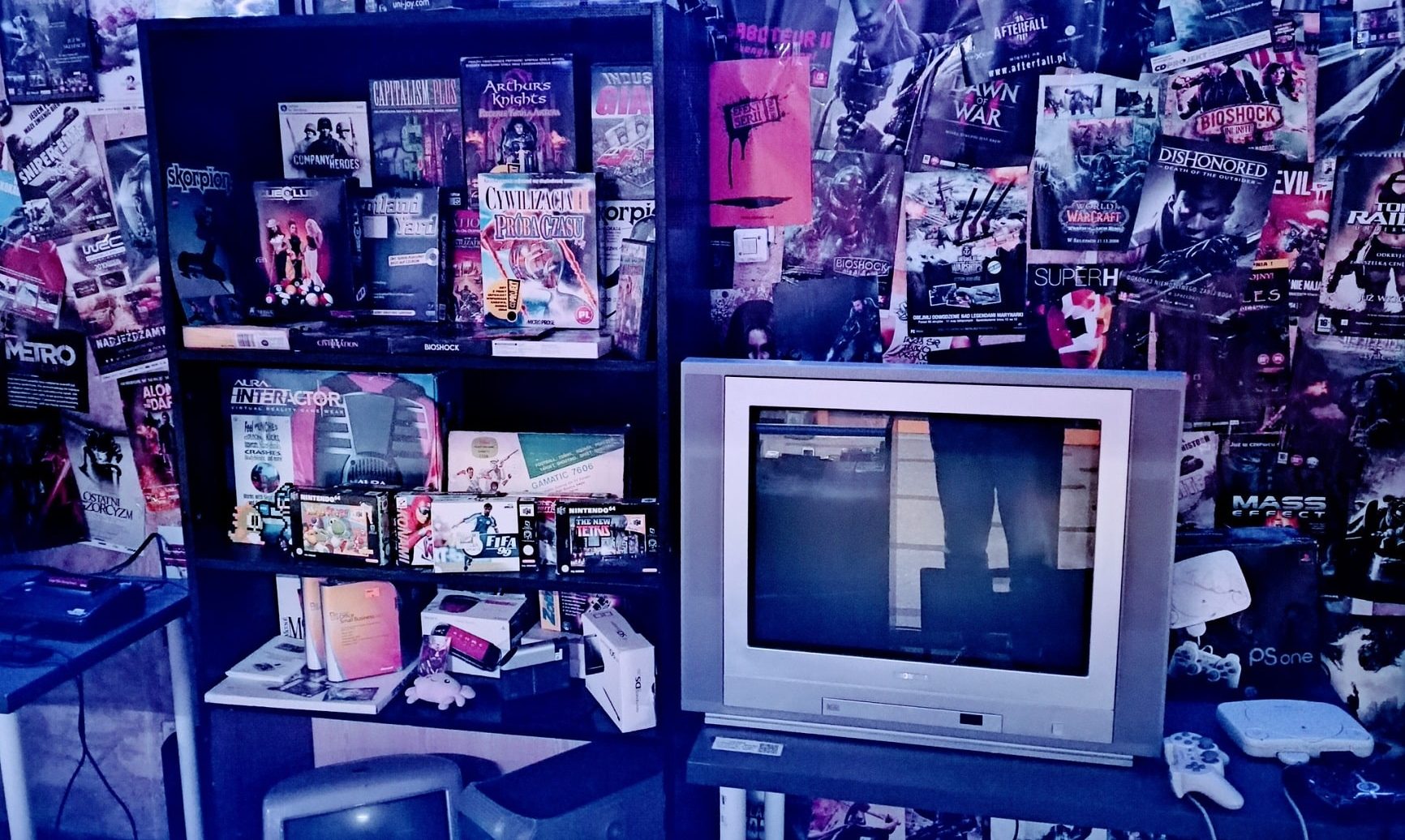
Inconspicuously located in the underground passage of the Warsaw Electronic Exchange (Warszawska Giełda Elektroniczna), the nostalgic arcade glow of the Warsaw Museum of Computers and Games (Warszawskie Muzeum Komputerów i Gier) is just a ten-minute metro or tram ride from the city center.
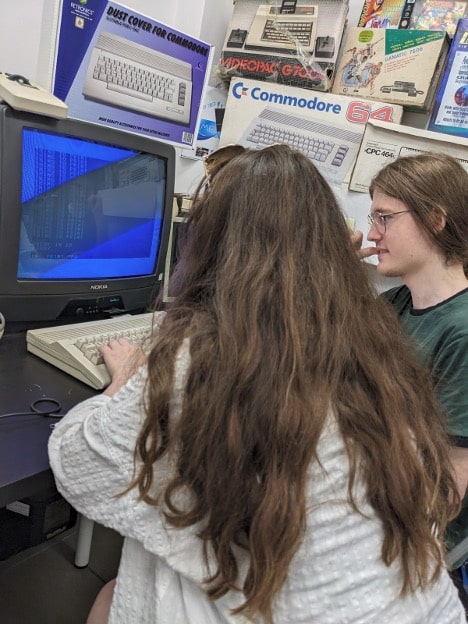
Though small in size, every inch of the museum space is packed to the brim with technology past and present or colorful 8-bit motifs from well-known titles such as Space Invaders. I was surprised to see even the bathrooms are decorated with beloved video game characters! While most museums shield their exhibits behind ropes or glass, those guests who find themselves walking the black and white checkered floors of the Warsaw Museum of Computers and Games are encouraged to pick up a controller and enjoy a round or two of their favorite childhood video game.
About the Museum of Computers and Games
Jointly founded by the Warsaw Electronic Exchange and the Old Computers and Games Foundation (Fundacja Dawne Komputery i Gri) in 2019, the museum is dedicated to preserving and celebrating retro gaming culture for patrons old and young. When I visited the museum in July of 2023, my friends and I were greeted by outgoing and approachable staff members who made us feel welcome to fully take advantage of the hands-on opportunities all around us. They were ready to answer any questions we had, both in English and in Polish. The museum offers multiple educational experiences for students, including guided tours, lectures on video game and computer history, as well as workshops, guest exhibitions, and internships. The museum also facilitates the Underground VR Zone located in the same passage, where visitors can strap on a virtual reality headset and play newer games like Beat Saber.

Exploring the Museum
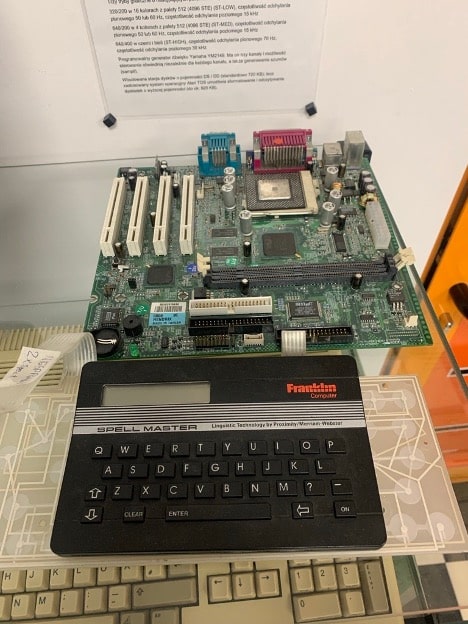
The museum showcases a timeline of video games and computers, starting with early consoles and games such as Atari’s Pong and ending with more modern consoles like the Xbox 360, all of which visitors may interact with as they were originally meant to. Most of the games are English versions of popular international titles, which made it easy for us to load up a game and play. It was quite sentimental for me to be able to play Donkey Kong and RollerCoaster Tycoon 2 on monitors exactly like the ones from my childhood. There are collections of typewriters, keyboards, brick telephones, flip phones, monitors ranging from standard to miniature, desktop computers, laptops, boomboxes, CRT television sets, and VHS and DVD players adorning every corner as a reminder of the rapid advances in technology from the twentieth century to now. Many of these machines, mostly in the same brands that we recognize from our American youth, are in working condition and available to play with as well.
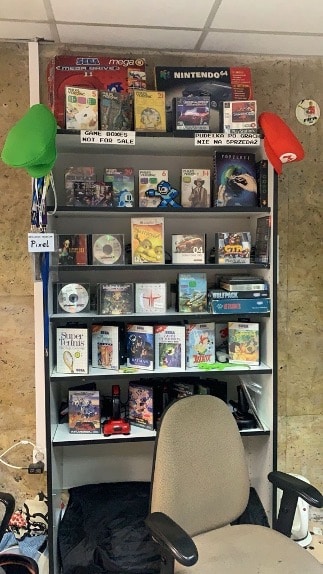
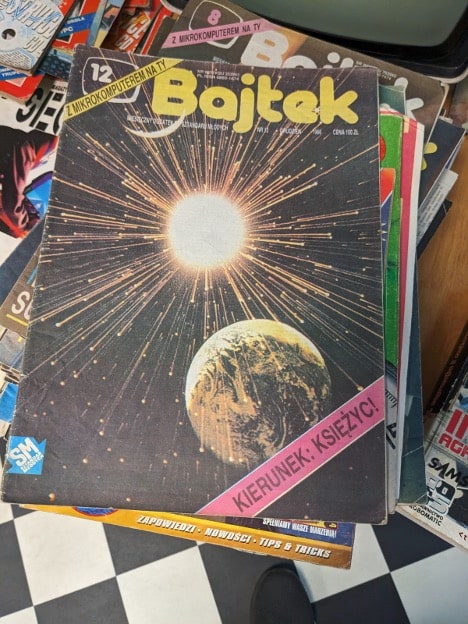
After enjoying the more immersive exhibits, my friends and I made sure to spend some time in the living-room-style reading corner to explore the museum’s library. There are stacks upon stacks of English and Polish language game guides and gamer digests available to peruse, as well as computer textbooks, catalogs, game posters, and original product packaging lining the walls. Some exhibits include informational placards in Polish that detail tech innovations, schematics, and release dates and histories.
With something for everyone, the Warsaw Museum of Computers and Games is a hidden gem of nostalgia worth exploring. Passionate, informed staff and an interesting array of exhibits makes this an unforgettable experience with a personal touch for many.

You’ll Also Love

Science Fiction and Fantasy From Behind the Iron Curtain
Science fiction/fantasy, often shorthanded to SFF, is a genre of media concerned with supernatural, fantastical, or other elements beyond our current technological capabilities. Although its roots run deep, borrowing inspiration and elements present in The Odyssey or 20,000 Leagues Under the Sea, SFF truly came into its own after the Industrial Revolution. It was a […]

Jewish Historical Institute in Warsaw: “What We’ve Been Unable To Shout To The World”
The Jewish Historical Institute’s mission is to promote awareness of the thousand-year Jewish presence in Poland. They achieve this through exhibitions, artistic events, conferences, education programs, and publishing. The Institute serves as a repository of Jewish heritage, preserving collections like the Underground Archive of the Warsaw Ghetto. They also maintain Jewish cultural monuments, are developing […]

Chopin Museum and Rememberance, Warsaw
In Warsaw, large, elegant, and beautiful willow trees grace many of the parks within the city. These are the same willow trees that inspired many of the outstanding musical pieces of prodigy composer and native Pole, Frédéric Chopin. Signs of Chopin’s legacy, like the willows that inspired him, can also be seen across the city. […]

A Visit to the Neon Museum, Warsaw
Neon signs first began to populate Warsaw’s streets in the inter-war years when The Second Polish Republic was, briefly, an independent state. WWII destroyed most of Warsaw and nearly all of its then-popular neon signs. The Communists maintained control of the country and officially frowned on the decorative advertisings. Although old town was rebuilt nearly […]

Warsaw’s Best Museums: History, Struggle, Tragedy, and Freedom
One of the best things to do when living or studying abroad, is to visit museums and historical institutes to try and learn about that particular place. For me, visiting museums is a no-brainer since I work in museums. I enjoy them. I find it fascinating to see how each museum operates, how they present […]


